
Paediatric surgery
Paediatric surgeons work with young patients – from premature and unborn babies to children and young adults up to the age of 19.
You’ll have a very varied and sometimes unpredictable workload including surgery, attending outpatient clinics and hospital ward rounds and looking after both your young patients and their families.
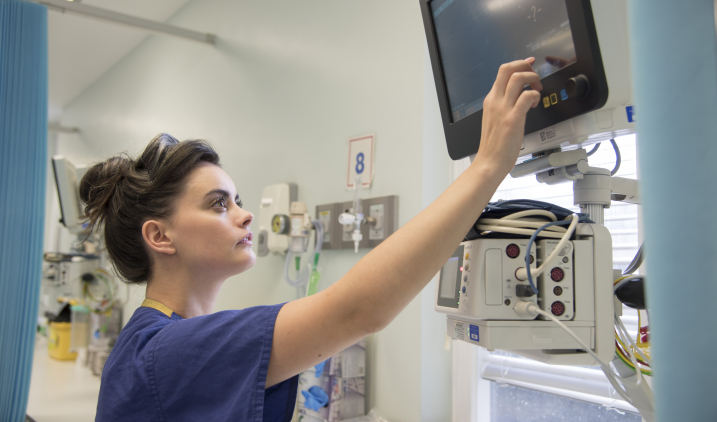
Life as a paediatric surgeon
Just over 10% of operations on children are carried out by paediatric surgeons with the majority being performed by other specialist surgeons in fields such as orthopaedic, plastic and ENT (ear, nose and throat) surgery.
You’ll also attend outpatient clinics and ward rounds where you’ll meet your patients and their parents or carers. An important part of your work will be reassuring and advising concerned parents and carers which can be rewarding as well as emotionally demanding.
How much can I earn?
How about the benefits?
- make a difference
- flexible and part-time working
- high income early in your career
- work anywhere in the world
- excellent pension scheme
- good holiday entitlement
- NHS discounts in shops and restaurants
Must-have skills
- excellent communication skills to manage a wide range of relationships with colleagues, and patients and their families
- emotional resilience, a calm temperament and the ability to work well under pressure
- teamwork and the capacity to lead multidisciplinary teams
- problem-solving and diagnostic skills
- outstanding organisational ability and effective decision-making skills
- first-class time and resource management for the benefit of patients
- a high degree of manual dexterity
- superb hand-eye co-ordination, excellent vision, and visuospatial awareness
- physical stamina to cope with the demands of surgery
Entry requirements
If you already have a degree, you could study for a four-year postgraduate degree in medicine.
You’ll need to pass an interview and admissions test. You’ll be asked to show how you demonstrate the NHS values such as compassion and respect.
Some medical schools look to recruit a mix of students from different backgrounds and geographical areas, so your educational and economic background and family circumstances could be considered as part of your application.
"An early rotation in general surgery provided me with the opportunity to help with operations. I loved the work and also enjoyed working alongside such dedicated and hard-working colleagues and decided to pursue a career in surgery."
What are my chances of starting a career in paediatric surgery?
How to become a paediatric surgeon
After your foundation programme, you can apply for paid specialty training to become a paediatric surgeon, which will take a minimum of eight years.
Where a career as a paediatric surgeon can take you
- specialise or conduct research in areas such as neonatal surgery, paediatric urology, and paediatric oncology
- teach medical students or postgraduate students in training
- get involved in research at universities, the NHS or private sector