
Palliative medicine
Doctors in palliative medicine provide holistic, quality-of-life care to patients with serious, advanced and progressive illnesses that cannot be cured.
You’ll provide expertise and support to colleagues, particularly those treating patients with complex conditions.
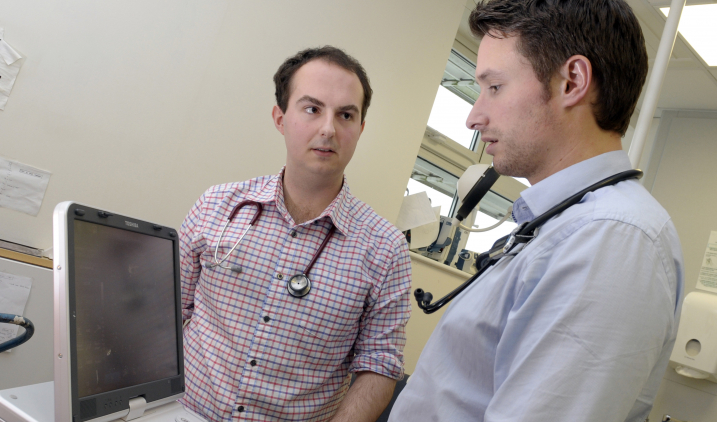
Life as a doctor in palliative medicine
Most of your patients will have advanced or progressive cancer, although increasingly palliative medicine doctors treat patients with a range of conditions such as heart failure, renal failure and neurological conditions.
It is essential to possess a deep understanding of the pathology and management of these conditions, which creates opportunities to develop a sub-specialty. You will need expertise in the pharmacological management of a range of problems and an understanding of drug interactions and side effects.
You’ll be an essential part of specialist palliative care services, for clinical expertise, quality improvement, education, research management and research.
You can expect to work in hospitals, hospices and in the community with home visits being common. In some settings, such as specialist impatient units, you’ll have responsibility for the medical management of a patient. However, in most hospital settings, you’ll play an advisory role alongside nurses who deliver most of the patient care.
At all times, you’ll provide care that:
- strives to achieve the best quality of life for the patient for as long as possible
- involves managing and anticipating pain and other symptoms
- addresses the psychological, social and spiritual needs of the patient
- facilitates multi-professional support to provide joined-up care across care boundaries, enabling care at home and fewer avoidable admissions towards the end of life
- supports anticipatory planning with patients and professionals including advance planning in the last year of life
- supports end of life care that meets the needs and wishes of the individual and family
- supports the patient’s family and significant others during the patient's illness and their bereavement
Common procedures and interventions include:
- paracentesis (drawing off fluid form a natural cavity of the body)
- use of portable ultrasound
- specialist pain techniques including management of epidural infusions (a local anaesthetic procedure for blocking pain) occasionally in conjunction with a pain specialist
- management of central lines
- management of non invasive ventilation
- management of tracheostomies
How much can I earn?
How about the benefits?
- make a difference
- flexible and part-time working
- high income early in your career
- work anywhere in the world
- excellent pension scheme
- good holiday entitlement
- NHS discounts in shops and restaurants
Must-have skills
- excellent communication skills to manage a wide range of relationships with colleagues, and patients and their families
- emotional resilience, a calm temperament and the ability to work well under pressure
- teamwork and the capacity to lead multidisciplinary teams
- problem-solving and diagnostic skills
- outstanding organisational ability and effective decision-making skills
- first-class time and resource management for the benefit of patients
In addition, doctors in palliative medicine need to demonstrate:
- a high level of personal credibility as a clinician
- adaptability and resilience
- compassion, empathy, a flexible outlook and a sense of humour
- interests such as enhancing the quality of life for patients with life-limiting illnesses and improving end of life care and developing multicultural awareness
- well-developed skills in bedside clinical assessment (especially in settings and situations when routine investigations would not be appropriate)
- expertise in managing difficult pain, physical symptoms and psychological distress
- excellent decision-making in the context of changing and distressing situations using sound knowledge of ethical considerations
Entry requirements
If you already have a degree, you could study for a four-year postgraduate degree in medicine.
You’ll need to pass an interview and admissions test. You’ll be asked to show how you demonstrate the NHS values such as compassion and respect.
Some medical schools look to recruit a mix of students from different backgrounds and geographical areas, so your educational and economic background and family circumstances could be considered as part of your application.
How to become a doctor in palliative medicine
After your foundation programme, you can apply for paid specialty training to become a doctor in palliative medicine, which will take a minimum of six years.
Where a career as a doctor in palliative medicine can take you
- specialise or conduct research
- teach medical students or postgraduate students in training
- get involved in research at universities, the NHS or private sector